


Some of our life’s toughest barriers rarely announce themselves with noise. They wait quietly, beneath the surface—unnoticed, but with deep influence. We often try to shape the world outside, thinking that change must begin with our circumstances or with others. Yet, as we have learned, the deepest and most lasting change often starts within us. Internal reconciliation is the silent starting point that turns ripples into waves, setting off a chain reaction far beyond our imagination.
What does internal reconciliation mean?
Internal reconciliation goes beyond making peace with past events or forgiving ourselves for mistakes. It is the active and ongoing process of making space for all facets of our being—the light and the shadow, the strengths and the weaknesses, the successes and the failures. We have found that this means seeing, honoring, and integrating every part of ourselves, even those parts we might wish did not exist.
Peace inside leads to peace outside.
It may sound simple, but this act of inner integration can shift how we relate to others and change patterns that we did not even realize kept repeating. Whether these patterns show up in our families, teams, or communities, the source is often the hidden divides within our own hearts.
Why unrest inside spreads outside
Most of us recognize moments when strong emotions seem to take control. Maybe a small disagreement triggers a flood of anger, or a criticism at work brings a sense of shame that feels out of proportion. As we have seen, these aren’t simply troubles of the moment. Usually, they connect back to stories, wounds, or beliefs we carry inside, sometimes for years or even generations.
Whole systems—families, organizations, societies—are shaped by these quiet inner divides. When we don’t attend to pain, resentment, or regret, it does not disappear. Instead, we find that it surfaces elsewhere, coloring conversations, shaping decisions, and, at times, spreading the very unrest we wish to escape.

Our experience has shown us that unresolved emotions often domino into bigger problems, affecting not just our well-being but the atmosphere around us as well. Here is how these inner splits can echo outward:
- Repeating conflicts: We find ourselves caught in similar arguments with different people, not realizing we’re reacting to old wounds, not present events.
- Unconscious choices: Decisions made under the influence of internal unrest can lead us away from what we truly want or value.
- Emotional burdens on others: When we are not at ease with ourselves, our relationships often carry the weight—sometimes leading to unnecessary suffering for those we care about.
Addressing these quiet, internal divides allows us to stop passing pain from one person or group to another. Integration inside us creates space for healthier patterns outside us.
How internal reconciliation unfolds in practice
It’s easy to imagine internal reconciliation as a grand event, but in our observation, it is made of small, daily acts:
- Asking ourselves what emotions or thoughts we have been avoiding.
- Bringing awareness to parts of us that feel ashamed, fearful, or angry—without judgment.
- Choosing compassion for ourselves, as we are, not only as we wish to be.
- Paying attention during conversations when we feel reactive, and pausing to ask what story is active beneath the surface.
- Allowing ourselves moments of quiet, so that suppressed feelings can gently rise and be seen.
When we practice these steps, patterns slowly shift. We start treating ourselves with more patience. We stop blaming others for feelings that truly originate within, and our relationships, work, and even decision-making become less reactive, more considered, and kinder.
The wider impact of inner reconciliation
Some might ask: if this is such a private process, does it really make a difference outside ourselves? Our experience points clearly to yes.
Leaders who reconcile their own insecurities build healthier teams. Parents who resolve guilt or regret become gentler guides. Friends who make peace with jealousy or sadness bring more depth and empathy to their circles. The impact does not stop there; it can ripple out into community standards, cultural habits, and even collective change. We see this in stories of systemic responsibility, where individual awareness eventually shapes the values and direction of whole groups. Resources like those found under systemic awareness and leadership discuss these links in more detail.
By healing inside, we heal the web around us.
What we do not look at inside, we tend to repeat or project outside. But when we make peace with our own complexity, we learn to hold space for the differences and difficulties around us. This turns cycles of pain and repetition into cycles of growth and connection.
Barriers to internal reconciliation—and overcoming them
Of course, reaching this peace is not always easy. We have noticed certain common barriers that keep people stuck:
- Belief that only others need to change
- Fear of facing pain or regret from the past
- Desire to protect an image or avoid vulnerability
- Lack of quiet or reflection in daily life
- Unawareness of the patterns driving our reactions
We believe the first step in overcoming these hurdles is noticing them—gently, without self-blame. Building small practices, such as meditation, can invite more presence and calm, as discussed under meditation.
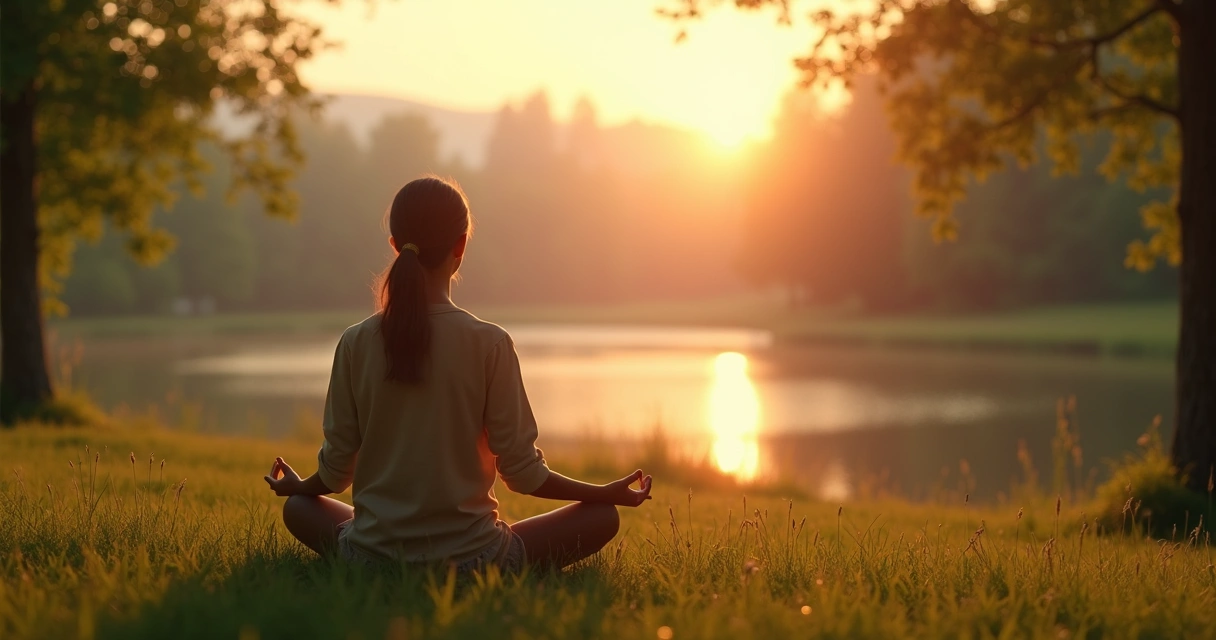
We sometimes recommend turning to philosophical questions—what matters most, what values anchor us—to supply motivation when facing tough inner truths. More thoughts on this can be found at our philosophy section. Whenever internal reconciliation feels hard to begin, even a few minutes of quiet reflection can start the process. The practice does not need to be perfect to be powerful.
Building a life—and a world—from the inside out
Imagine the collective result if more people committed to their own internal reconciliation. Not grand gestures. Not big movements. But the quiet, daily work of making peace with ourselves. When enough people bring this awareness forward, systems evolve. Cultures become kinder, and work becomes less about defense and more about creation. Our experience reinforces that internal reconciliation is not only a personal gift; it is a seed for wider change.
Those curious about the intersection of inner work and emotional health may find the emotional health section especially helpful. Each story shared and action taken contributes to an environment where growth can flourish.
Transformation never shouts. It whispers from within.
Conclusion
Internal reconciliation is the quiet work that unlocks meaningful change—within and beyond us. It is not about perfection, but about compassion and integration. What we choose to heal on the inside truly does ripple outward, shaping healthier families, organizations, and communities. The quiet power of internal reconciliation is real, and we see evidence of its value each day.
Frequently asked questions
What is internal reconciliation?
Internal reconciliation means coming to peace with all parts of ourselves, including those we might hide or judge. It involves seeing and accepting the full range of our emotions, thoughts, and experiences, allowing us to integrate what has been left out or pushed away. This process helps us create harmony inside, lowering inner conflict and self-judgment.
How to start internal reconciliation?
We recommend starting with simple self-reflection. Give yourself a few quiet moments to notice your emotions without pushing them away or arguing with them. Journaling, meditation, or speaking honestly with someone you trust can open the door. Over time, pay attention to recurring patterns in your reactions and encourage patience, curiosity, and kindness toward yourself along the way.
Why is internal reconciliation important?
Internal reconciliation is important because it interrupts the spread of internal conflict into our relationships, work, and broader communities. It helps break negative cycles, encourages healthier choices, and creates space for more compassion. As we make peace within, we contribute to patterns of healing and growth in the systems we are part of.
Can anyone practice internal reconciliation?
Yes, anyone can practice internal reconciliation. It does not rely on perfect skills or special backgrounds. What matters is the willingness to look within and the commitment to keep turning toward our inner experience, even when it is uncomfortable. Every person has the capacity for growth and healing through internal reconciliation.
How long does reconciliation usually take?
There is no fixed timeframe for internal reconciliation; it unfolds at its own pace and can change as life changes. Sometimes insight comes quickly, while certain patterns may require patient attention over months or years. Each step, even small ones, brings value and gradually creates a more peaceful inner environment.