

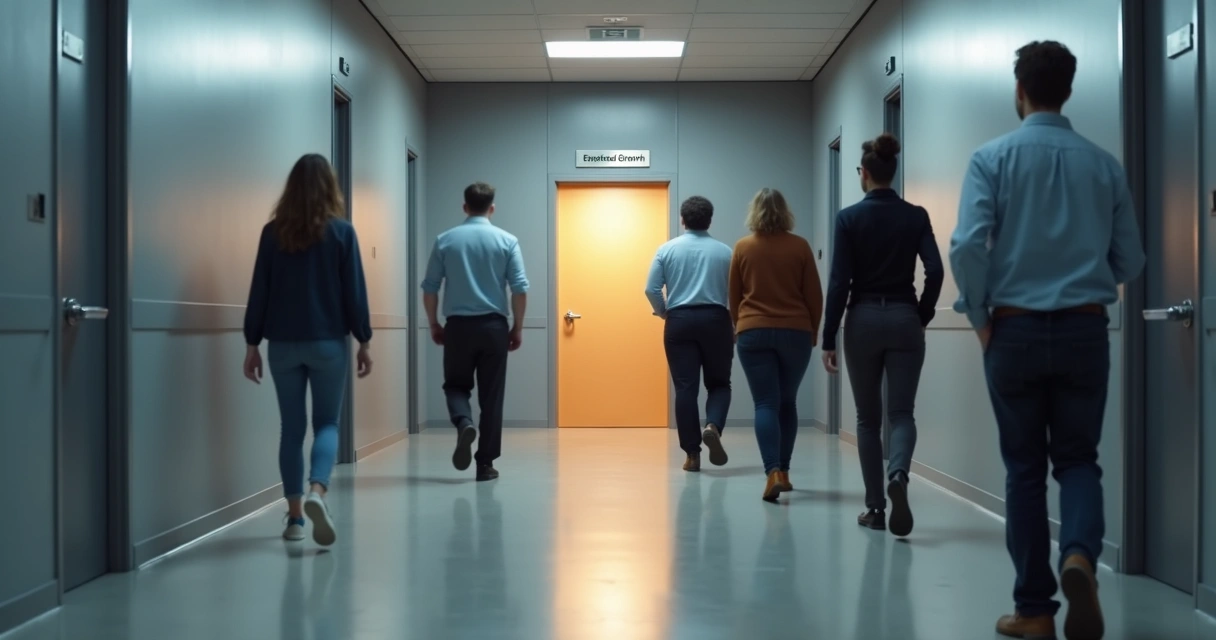
We often think resistance in teams looks loud. A slammed door. A sharp reply. A visible conflict. But in our experience, the strongest resistance is often quiet. It hides in habits that seem normal, polite, or even professional.
Teams rarely reject emotional growth in direct words. They signal it through patterns.
We have seen this many times. A team says it wants trust, openness, and better communication. Then someone names a hard truth, and the room goes flat. No argument. No open refusal. Just a shift. People look at notes. Someone changes the subject. The moment passes, but the message stays.
When this happens often, emotional growth slows down. The team may still perform tasks, hold meetings, and keep structure. Yet something alive in the group starts to close.
Where subtle resistance begins
Resistance usually does not come from bad intent. It often comes from fear, old habits, hidden loyalties, and a wish to stay safe. Emotional growth asks people to face discomfort, own impact, and speak more honestly. That can feel risky, especially in cultures where calm appearances matter more than inner clarity.
We also know this is not a rare issue. Data shared by MHFA England on workplace silence found that 45% of employees feel unable to raise mistakes or risks, 49% feel uncomfortable expressing their needs, and 35% do not feel safe asking for help. Those numbers show how often people stay guarded at work.
Below, we want to name 10 subtle signs that a team may be resisting emotional growth.
10 subtle signals to notice
These signs are easy to miss because they can look harmless at first. Still, when repeated, they shape the emotional climate of the whole team.
-
Feedback stays technical and never personal.
People talk about deadlines, formats, and tasks, but avoid discussing tone, impact, or trust. A teammate may say, “The slide needs work,” but never, “The way we spoke in that meeting shut people down.” This keeps interaction safe on the surface while deeper tension stays untouched.
-
Humor appears right after vulnerable moments.
Someone shares stress, doubt, or hurt, and the room quickly moves to jokes. We are not against humor. It can help. But sometimes laughter acts like a shield. It cuts off the feeling before the team has to stay present with it.
-
Meetings become full of updates and empty of reflection.
Everything gets reported. Nothing gets processed. Teams in this state prefer movement over meaning. They stay busy because silence might bring up tension they do not want to face.

-
People agree too quickly.
Fast agreement can look healthy, but sometimes it means people have learned that challenge is unwelcome. We get concerned when every idea gets easy support and no one asks a hard question. Harmony without honesty is fragile.
-
The same person always carries the emotional weight.
In some teams, one person becomes the only one who names tension, checks on others, or brings care into the room. At first, that person may seem strong. Over time, they get drained. The team quietly outsources emotional work instead of sharing it.
-
Conflict gets relabeled as miscommunication.
This is common. A pattern of exclusion, irritation, or avoidance gets reduced to “just a misunderstanding.” Sometimes that is true. Often, it is a softer label used to avoid naming anger, fear, envy, or control.
-
New ideas stay unspoken.
When emotional safety is low, people do not only hide feelings. They also hide contributions. Research reported by EurekAlert on withheld inventions in organisations noted that 27% of employees withheld at least one invention from their employer, often because of distrust or fear of being undervalued. That same silence can appear in everyday team life.
Silence is not always peace.
-
Language becomes overly polished.
People speak in careful, approved phrases that reveal little. Everything sounds proper, but nothing feels real. We notice this when teams use professional language to keep distance from emotion. The words are clean. The connection is thin.
-
Repair never happens after tense moments.
A hard meeting ends awkwardly. Then everyone moves on as if nothing happened. No one circles back. No one checks impact. This creates a culture where people learn to absorb discomfort alone.
-
Curiosity is replaced by interpretation.
Instead of asking, “What happened for you?” people assume motive. They say, “You were defensive,” or “You do not care.” Emotional growth needs curiosity. Interpretation hardens people into roles.
Why teams hide in subtle forms
We think subtle resistance persists because it protects identity. Many teams are attached to being seen as capable, calm, united, or high functioning. Honest emotional work can disturb that image. It may expose pain, status issues, or unresolved history between people.
Sometimes the system itself rewards emotional avoidance. Leaders praise speed, certainty, and control. Reflection then feels risky or slow. If this topic speaks to your work, our thoughts on leadership, emotional health, systemic awareness, and philosophy can help widen the view.
We once observed a team that prided itself on being “drama free.” It sounded good. Yet no one challenged a senior member who interrupted others in every meeting. People stayed polite. The culture stayed orderly. But the cost was real. Newer voices became smaller each month.
Emotional growth begins when teams can tell the truth about the cost of their habits.

What helps shift the pattern
Small changes matter more than grand statements. Teams grow when people can slow down, notice reactions, and stay with discomfort without blame.
In our experience, these practices help:
Making room in meetings for reflection, not only updates.
Naming tension early, before it hardens.
Asking curious questions instead of assigning motive.
Letting leaders model repair when they miss the mark.
Even one honest conversation can change a pattern. Not all at once. But enough to open the next step. If you want to keep reading by theme, our content search page can help you find related topics.
Conclusion
Teams do not resist emotional growth only through open refusal. They resist through polished language, quick agreement, unspoken ideas, and the habit of moving on too fast. These signs may look small, yet they shape the trust, courage, and honesty a team can hold.
When we learn to spot subtle resistance, we gain a better chance to respond with care instead of judgment. That is where healthier team life starts. Quietly. Clearly. Together.
Frequently asked questions
What is emotional growth in teams?
Emotional growth in teams is the shared ability to become more aware, honest, and steady in how people relate. It includes speaking truth with respect, handling tension without denial, and taking responsibility for impact on others.
How do teams resist emotional growth?
Teams resist emotional growth by avoiding vulnerable topics, staying only on tasks, joking past discomfort, hiding ideas, and skipping repair after conflict. The resistance is often quiet and built into normal routines.
Why is emotional growth important for teams?
Emotional growth helps teams build trust, reduce hidden tension, and create space for honest contribution.
How can leaders address team resistance?
Leaders can address resistance by modeling openness, asking better questions, making room for reflection, and responding calmly when hard truths appear. People watch what leaders do more than what they say.
What are subtle signs of resistance?
Subtle signs include quick agreement, careful but distant language, feedback that stays technical, humor after vulnerable moments, and silence after tense exchanges. These signs show that the team may not yet feel safe enough for real emotional work.